


A common question among players, especially during cooler seasons or intense training sessions, is, “Can you play volleyball in a hoodie?” While hoodies are a staple in fitness and athleisure wear, volleyball is a fast-paced sport that demands agility, flexibility, and temperature control. This article explores whether popular thick fitness hoodies are a smart choice for volleyball, breaking down the benefits, drawbacks, and better alternatives.
The Physical Demands of Volleyball
Volleyball requires explosive movements such as jumping, diving, quick lateral shifts, and powerful arm swings. Players rely heavily on:
- Full shoulder and arm mobility
- Rapid reaction time
- Effective body temperature regulation
Since most volleyball games are played indoors, overheating can become an issue quickly. Clothing must support freedom of movement, wick away sweat, and remain lightweight throughout play.
Advantages of Wearing Thick Fitness Hoodies for Volleyball

Although thick hoodies are not designed specifically for volleyball, they do offer a few advantages in certain situations.
Warm-Up and Cool-Down Benefits
Thick fitness hoodies are excellent for pre-game warm-ups and post-practice cool-downs. They help keep muscles warm, which may reduce stiffness and support recovery, especially in air-conditioned gyms or colder environments.
Psychological Comfort and Confidence
Feeling comfortable can positively influence performance. Many athletes feel mentally prepared and relaxed when wearing familiar clothing. A hoodie can provide a sense of comfort and focus before stepping onto the court.
Added Protection
For drills that involve diving or floor contact, a hoodie offers light skin protection against abrasions. This is especially useful during training sessions rather than competitive matches.
Disadvantages of Thick Fitness Hoodies for Volleyball
Despite the benefits, thick fitness hoodies come with notable downsides when worn during active gameplay.
Restricted Range of Motion
Volleyball requires unrestricted arm and shoulder movement for serves, spikes, and blocks. Thick hoodies can feel bulky, limiting flexibility and affecting overall performance.
Overheating Risks
One of the biggest concerns when asking, “Can you play volleyball in a hoodie?” is heat retention. Thick materials trap warmth and sweat, increasing the risk of overheating during long rallies or intense drills.
Extra Weight and Bulk
As sweat builds up, thick hoodies become heavier. This added weight can reduce agility, slow reaction times, and cause discomfort, especially in fast-paced play.
How to Choose the Right Hoodie for Volleyball
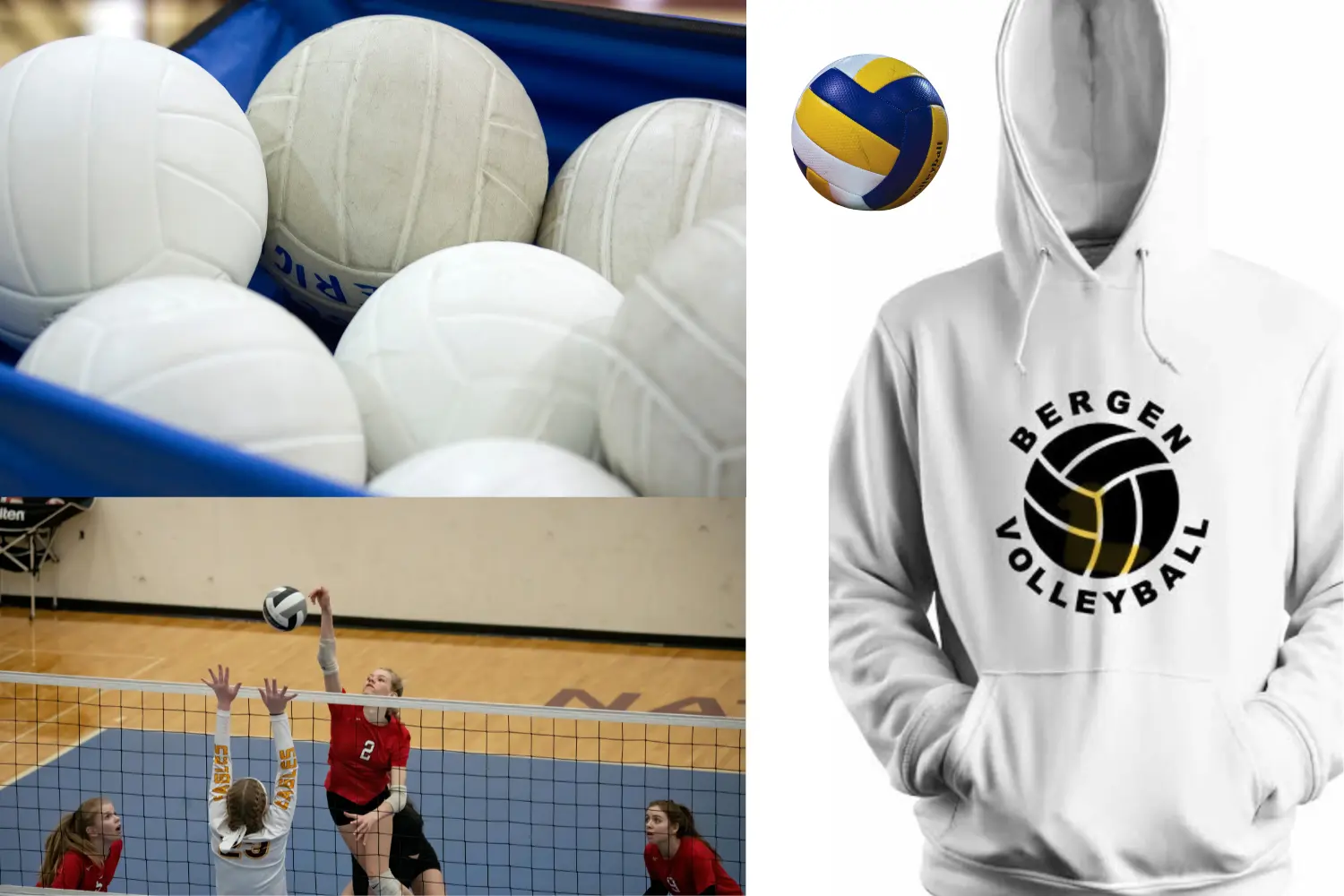
If you still prefer wearing a hoodie for volleyball-related activities, choosing the right one is essential. Look for:
- Breathable or moisture-wicking fabrics
- Lightweight construction
- Stretchable material for better mobility
- Athletic or slim fit to reduce bulk
These features help balance comfort with performance, making the hoodie more suitable for warm-ups or light practice.
Best Alternatives to Thick Fitness Hoodies for Volleyball
For active play, alternatives often perform better than thick hoodies:
- Lightweight athletic hoodies
- Long-sleeve performance tops
- Zip-up warm-up jackets
- Training pullovers made for indoor sports
These options provide warmth without sacrificing flexibility or ventilation.
Women’s Volleyball Hoodies—Off-Court Comfort & Style
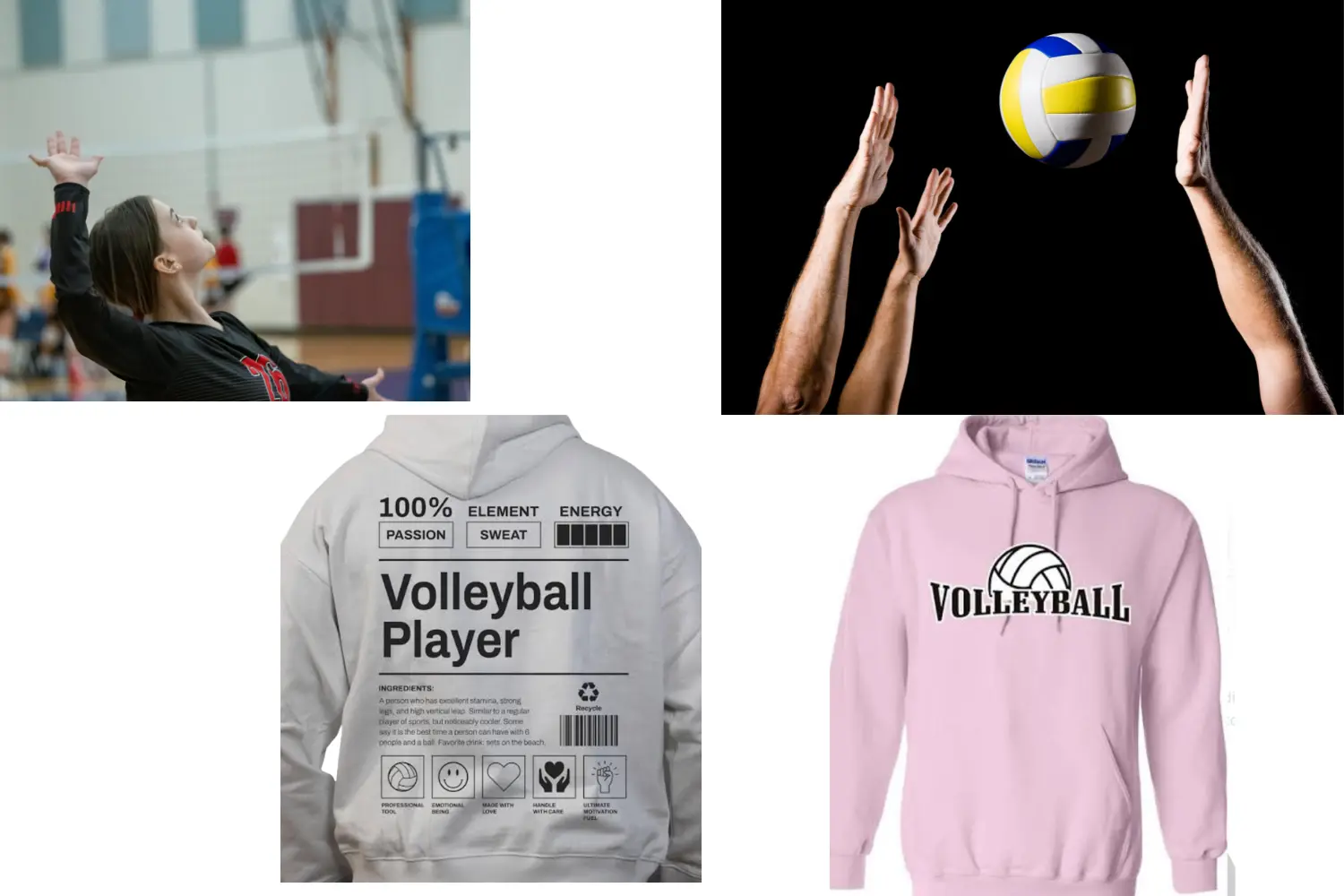
While thick hoodies may not be ideal for gameplay, they shine when used off the court.
Comfort Meets Functionality
Women’s volleyball hoodies are perfect for travel, team meetings, and recovery days, offering warmth and relaxation after intense matches.
Versatility for Everyday Wear
These hoodies transition seamlessly from gym sessions to casual outings, making them a practical addition to any athlete’s wardrobe.
Practical Design Features
Pockets, adjustable hoods, and soft linings enhance everyday usability while maintaining a sporty aesthetic.
Layering Across Seasons
Thick hoodies work well as layering pieces during winter or in cooler indoor environments.
Durability for Active Lifestyles
High-quality fitness hoodies are built to last, with reinforced stitching and fabrics that withstand frequent wear and washing.
Product Spotlight: REN Athletics All-Purpose Sweatshirt
The REN Athletics All-Purpose Sweatshirt is designed for comfort rather than high-intensity play. Its durable fabric and relaxed fit make it ideal for:
- Warm-ups and cool-downs
- Travel and casual wear
- Post-practice recovery
While it may not be the best option for in-game volleyball, it excels as an off-court essential for athletes.
Can You Play Volleyball in a Hoodie During Official Matches?
In official volleyball matches, hoodies are generally not recommended and may even be restricted by league rules. Competitive play prioritizes standardized uniforms that ensure safety, visibility, and unrestricted movement. Thick hoodies can interfere with arm swings, blocking techniques, and referee visibility, making them unsuitable for match conditions.
Is Playing Volleyball in a Hoodie Safe?
Safety is a key concern when deciding what to wear on the court. Thick hoodies can increase sweating and reduce ventilation, which may lead to dehydration or dizziness. Additionally, loose fabric can get pulled during fast movements, posing a minor but real risk during intense play.
Hoodie Fabric Types and Their Impact on Volleyball Performance
Not all hoodies are made the same. Cotton-heavy hoodies absorb sweat and become heavy, while synthetic blends offer better moisture control. For volleyball-related use, breathable and stretchable fabrics perform far better than thick fleece or heavyweight cotton.
Indoor vs. Outdoor Volleyball: Does Hoodie Choice Matter?
Outdoor volleyball often exposes players to cooler temperatures and wind, where hoodies may feel more practical. Indoor courts, however, trap heat. Thick hoodies that feel comfortable outdoors can quickly cause overheating indoors, affecting stamina and focus.
How Temperature and Climate Affect Volleyball Clothing Choices
Climate plays a big role in answering, “Can you play volleyball in a hoodie?” In colder regions or air-conditioned gyms, hoodies help retain warmth during warm-ups. In warmer climates, they should be avoided during active play to maintain optimal body temperature.
Do Hoodies Affect Jump Height and Speed in Volleyball?
Volleyball relies heavily on explosive power. Extra weight from thick hoodies, especially once damp with sweat, can slightly reduce jump height and slow reaction speed. While the impact may be minimal for casual players, it becomes noticeable in competitive or high-intensity sessions.
Can Beginners Play Volleyball in a Hoodie?
Beginners often prioritize comfort over performance, making hoodies appealing. While beginners can play volleyball in a hoodie during casual practice, transitioning to performance wear helps develop proper technique, movement efficiency, and endurance as skill levels improve.
Warm-Up Routines: When a Hoodie Makes Sense for Volleyball Players
Hoodies are excellent tools for warm-up routines. Wearing a thick hoodie before play helps raise core temperature and loosen muscles. Once the match or practice begins, removing the hoodie prevents overheating and allows full mobility.
Team Training and Practice Sessions: Hoodie Dos and Don’ts
During team practices, hoodies can be useful for low-intensity drills or strategy discussions. However, during scrimmages or conditioning drills, players should switch to lighter apparel to maintain performance and reduce fatigue.
Final Clothing Tips for Volleyball Players Who Prefer Hoodies
If you prefer hoodies, choose designs with:
- Lightweight construction
- Stretch panels
- Athletic cuts
- Moisture-wicking fabric
These features allow you to enjoy the comfort of a hoodie while minimizing performance drawbacks.
Conclusion
So, can you play volleyball in a hoodie? The answer depends on when, where, and how you’re playing. Popular thick fitness hoodies can be useful during warm-ups, cool-downs, and low-intensity training, especially in cooler or air-conditioned environments. They help retain muscle warmth, provide comfort, and support mental readiness before stepping onto the court.
However, during active gameplay, thick hoodies often work against performance. Restricted movement, overheating, and added weight can reduce agility, jump height, and overall endurance. For competitive matches and high-intensity practice sessions, lightweight, breathable volleyball apparel is a far better choice.
Ultimately, thick fitness hoodies still have a place in a volleyball player’s wardrobe—but mostly off the court or between drills. Choosing the right hoodie or alternative performance layer ensures comfort without compromising mobility, safety, or performance.
FAQs
1. Can you play volleyball in a hoodie?
Yes, you can play volleyball in a hoodie, but thick fitness hoodies are best suited for warm-ups, casual practice, or cool-downs rather than active match play.
2. Are thick hoodies allowed in volleyball matches?
Most official matches require standard uniforms. Thick hoodies are usually not worn during competitive games and may be restricted depending on league rules.
3. Do hoodies affect volleyball performance?
Yes, thick hoodies can limit range of motion, trap heat, and become heavy with sweat, all of which may negatively impact performance.
4. Is it safe to play volleyball in a hoodie?
Playing in a hoodie is generally safe during low-intensity activity, but during intense play, overheating and restricted movement can increase fatigue and discomfort.
5. What type of hoodie is best for volleyball players?
Lightweight, breathable, and moisture-wicking hoodies with stretch fabric are best for volleyball-related activities.
6. Can beginners play volleyball in a hoodie?
Beginners can wear hoodies for casual play or practice, but switching to performance wear helps improve movement, endurance, and technique.
7. Should you wear a hoodie for volleyball warm-ups?
Yes, hoodies are excellent for warm-ups, as they help increase body temperature and prepare muscles before play.
8. Are hoodies better for indoor or outdoor volleyball?
Hoodies may feel more practical outdoors in cooler weather. Indoors, thick hoodies often cause overheating and should be removed during play.
9. Do professional volleyball players wear hoodies?
Professional players typically wear hoodies only before or after matches, not during active gameplay.
10. What should you wear instead of a thick hoodie for volleyball?
Lightweight athletic hoodies, long-sleeve performance tops, or warm-up jackets are better alternatives for maintaining mobility and comfort.
Leave a Reply