

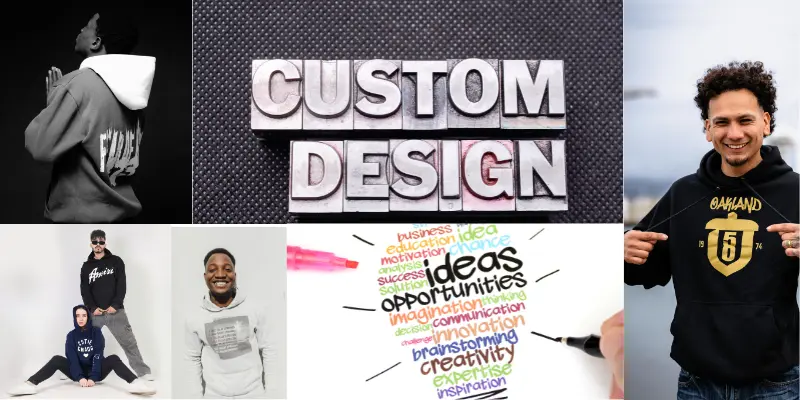
Custom hoodies are more than just clothing; they’re a canvas for creativity, identity, and brand storytelling. Whether you’re designing for your clothing line, personal wardrobe, school team, or merch collection, the right approach makes your hoodie stand out. This guide breaks down the best design ideas, customization techniques, sustainable practices, and tools to help you create a hoodie that feels fresh, unique, and high-quality.
1. Introduction to Custom Hoodie Design
Custom hoodie design has become a major trend in streetwear and modern fashion. People love wearing pieces that reflect their personality, aesthetic, or brand story. Today’s tech makes it easier than ever to turn your ideas into real, professional-looking products. From simple graphics to detailed artwork or bold branding placements, every design choice influences the final look and feel.
Whether you’re starting a small clothing line or making hoodies for personal use, understanding design themes, printing methods, and materials helps you create pieces that look premium and feel comfortable. This guide covers everything you need to know before getting started.
2. Creative Hoodie Design Themes and Inspiration
2.1 Minimalist, Artistic, and Aesthetic Approaches
Minimalist designs are timeless and clean. Think simple typography, small chest prints, line art, or soft gradients. These hoodies match almost every wardrobe and appeal to customers who prefer subtle but stylish looks.
Art-based designs using hand-drawn illustrations, abstract shapes, or watercolor effects offer a more expressive aesthetic. These pieces feel personal and unique, often becoming statement items.
2.2 Pop Culture, Humor, and Trend-Based Themes
Pop culture-inspired hoodies, including references to movies, anime, music, and memes, are always in demand. They appeal to specific communities and create instant connections.
Humorous designs work great for casual wear and social content Simple text jokes, quirky graphics, and funny quotes add personality and fun.
2.3 Seasonal, Holiday, and Special Occasion Concepts
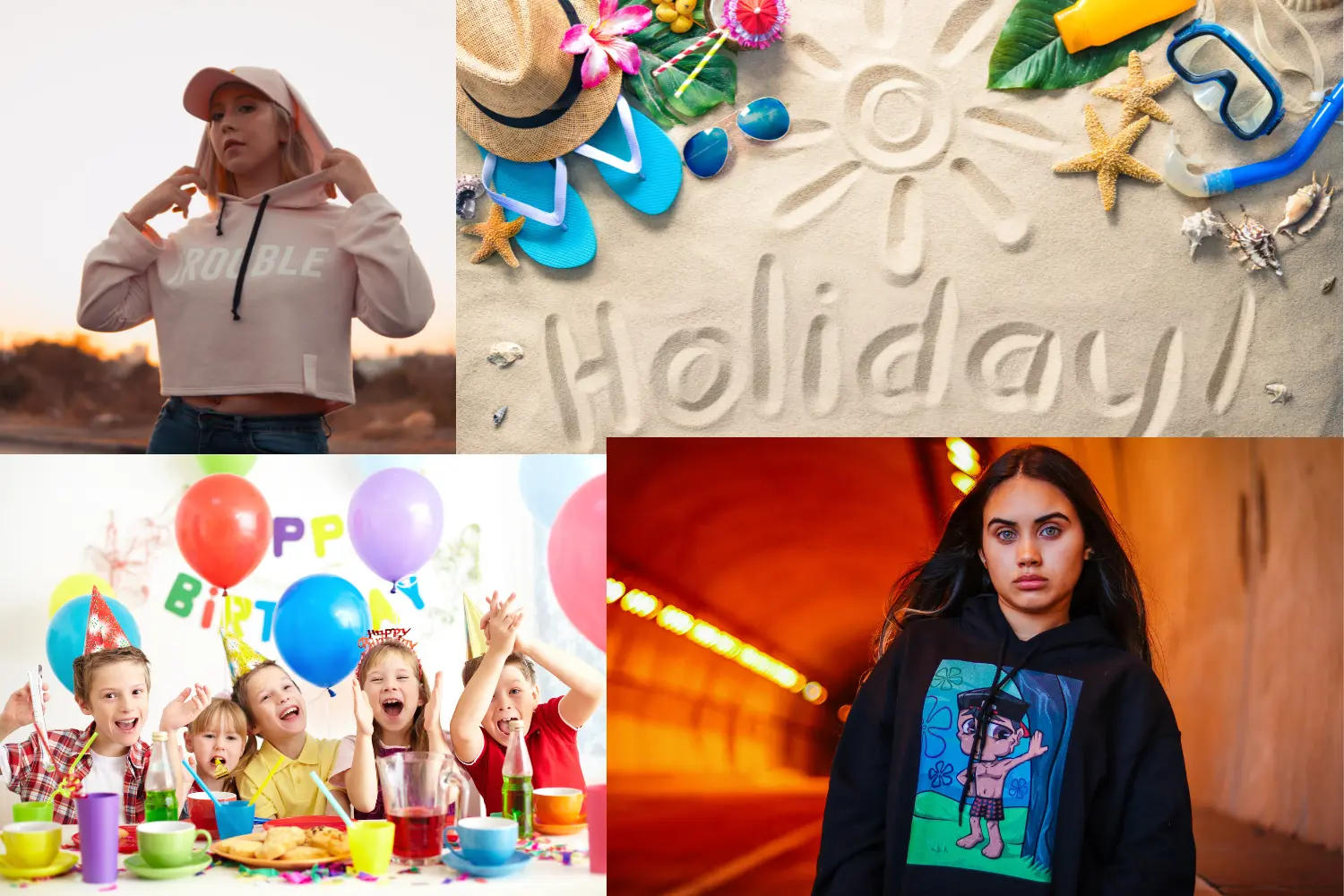
Seasonal designs winter themes, summer colors, or holiday graphics boost engagement during specific months. Custom hoodies also make great gifts for birthdays, anniversaries, team events, and school milestones.
Creating occasion-based collections increases relevance and encourages limited-time purchases.
3. Hoodie Customization Techniques Compared
3.1 Direct-to-Garment (DTG) vs. Direct-to-Film (DTF) Printing
DTG offers soft, breathable prints perfect for detailed artwork. It works best on cotton hoodies and small-batch orders.
DTF provides vibrant colors and works on almost any fabric. It’s ideal for bold designs, small runs, and frequent color changes.
Choosing between them depends on your design style, target market, and budget.
3.2 Embroidery Techniques for a Premium Finish
Embroidery gives hoodies a luxury, long-lasting finish. Great for logos, monograms, badges, and signature elements.
It adds texture and depth, making your hoodies look high-end and more durable than printed designs.
3.3 All-Over Prints, Special Effects & Textured Elements
All-over printing creates bold, eye-catching pieces with patterns that wrap around the entire hoodie.
Special effects like puff print, metallic ink, glow-in-the-dark, chenille patches, and appliqué provide extra texture and dimension.
These techniques elevate your hoodie into premium streetwear.
4. Branding & Merch: How to Make Your Hoodie Swag Unforgettable
4.1 Classic Logo Placement for Strong Brand Identity
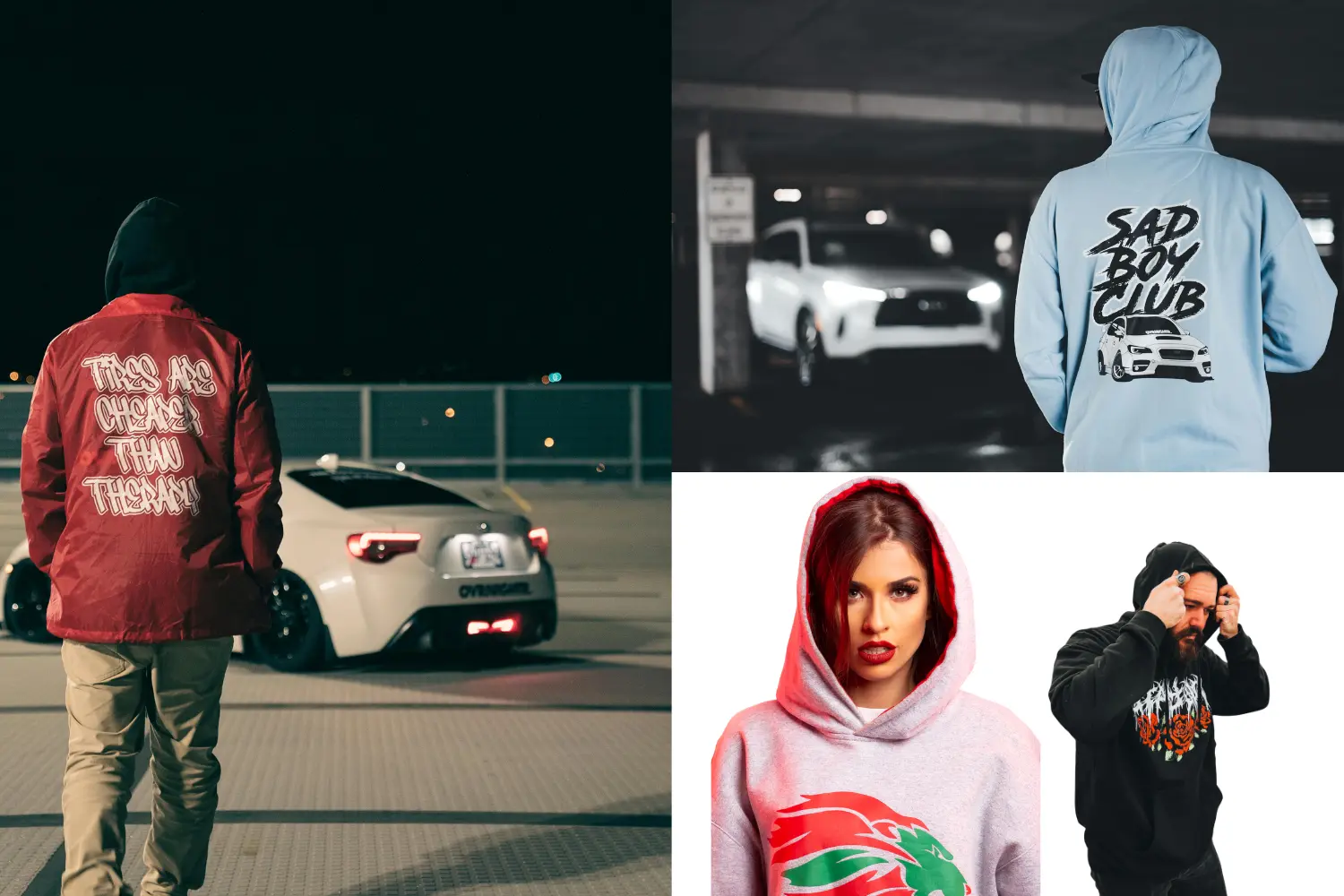
A clean, well-placed logo is the foundation of hoodie branding. Front chest prints and back logos are the most iconic and reliable placements.
4.2 Bold Graphics That Stand Out
Large, graphic-driven hoodies are top performers in streetwear. Use vibrant illustrations, oversized symbols, or statement typography to create visual impact.
4.3 Unique Detailing & Scripty Typography
Handwritten-style text adds personality and softness to designs. Great for inspirational quotes, taglines, or brand signatures.
4.4 Multi-Placement Printing for Maximum Impact
Printing on sleeves, hems, hoods, or kangaroo pockets gives your hoodie a high-fashion, premium feel.
These placements create depth and help your brand stand out from basic retail designs.
4.5 Custom Tags, Labels & Inside Details
Inner neck tags, woven labels, branded drawstrings, and hem tags instantly make your hoodie look professionally made.
Small details often create the biggest sense of quality.
4.6 Tone-on-Tone, Mixed Methods & Luxe Embroidery
Tone-on-tone designs use similar color ink or thread for a subtle, sophisticated look.
Combining methods like embroidery and DTF helps you create hoodies with texture and contrast.
5. Monetizing Custom Hoodie Designs
5.1 Print-on-Demand Business Models
POD is perfect for beginners or low-budget startups. You design; the supplier prints, packs, and ships.
No inventory, no expensive equipment—just brand and sell.
5.2 DIY Production & Small-Batch Manufacturing
DIY lets you experiment, learn, and create unique handmade pieces.
Small batch production works well for limited drops, exclusive collections, or local brands.
5.3 Pricing, Packaging & Marketing Strategies
Your pricing should cover design, production, marketing, platform fees, and profit margins.
Premium packaging stickers, cards, and custom bags help your brand feel polished and increase customer satisfaction.
6. Advanced DIY Hoodie Creation Techniques
6.1 Embroidery Machine Setup & Operation
Setting up your embroidery machine correctly ensures clean, professional stitching.
Understanding stabilizers, thread types, and hoop sizes helps you produce higher-quality results.
6.2 Sewing, Reconstruction & Creative Fabric Manipulation
Advanced creators often reconstruct hoodies by adding panels, mixing fabrics, or adjusting shapes.
This craftsmanship helps create artistic, one-of-a-kind pieces that stand out online.
7. Sustainable Hoodie Design Practices
7.1 Eco-Friendly Materials & Low-Impact Production
Organic cotton, recycled polyester, natural dyes, and water-based inks all reduce your footprint.
Eco-materials perform well and appeal to conscious consumers.
7.2 Ethical Manufacturing, Upcycling & Circular Design
Choosing ethical factories ensures fair labor, safe conditions, and transparent supply chains.
Upcycling old hoodies into new designs gives your brand a sustainable edge and reduces waste.
8. Free Design Tools and Resources
8.1 Design Software & Template Libraries
Tools like Canva, Photopea, Figma, and Krita help beginners create professional designs.
Free PSD templates and vector files make designing easier.
8.2 Mockup Generators & Visualization Tools
Platforms like Placeit, Smartmockups, and Adobe Express help you preview your design on different hoodie styles.
Mockups also improve marketing, product photos, and online listings without photography.
11. Start Creating Your Custom Hoodie Today
With the right tools and creativity, your next hoodie could become someone’s favorite wardrobe piece. Start brainstorming your design ideas, choose your technique, and bring your vision to life one hoodie at a time.
12. Trending Color Palettes for Custom Hoodies
Color plays a huge role in how your hoodie is perceived. Today’s hottest trends include soft pastels like lavender, sage, and baby blue, which create a calm and aesthetic feel. Earthy tones—such as clay, mocha, olive, and sandstone are also popular thanks to their warm and minimal vibe. For a bolder statement, neon colors and high-contrast combinations give a futuristic, street-ready look. Gradient-inspired palettes, like sunset fades or icy cool blends, offer a unique visual effect that stands out in both fashion and merch.
13. Typography Styles That Elevate Hoodie Designs
Typography can instantly change the personality of your hoodie. Bold sans serif fonts feel modern and confident, while handwritten script fonts add a soft, artistic touch. Vintage lettering works great for retro-themed designs, sportswear concepts, or nostalgic branding. Minimalist typography with clean, sharp lines is perfect for luxury and high-end aesthetics. Graffiti-inspired fonts bring an urban, edgy vibe, making them ideal for streetwear collections.
14. Choosing the Right Fabric for Your Custom Hoodie
Fabric choice determines comfort, durability, and print quality. Cotton fleece hoodies offer softness and breathability, making them ideal for daily wear. Heavyweight cotton blends create a premium feel and work beautifully with embroidery or puff prints. Lightweight polyester blends enhance durability and moisture control, which makes them great for athletic and streetwear-focused designs. French terry is a great option for warm climates because of its lighter, looped texture. Understanding each fabric’s strengths helps you choose the best fit for your design and printing method.
15. Enhancing Hoodies with Accessories & Add-Ons
Small details can completely transform your hoodie. Custom zipper pulls, contrast stitching, and colored drawstrings add subtle but noticeable style elements. Patches, whether embroidered, chenille, or leather, give the hoodie personality and texture. Add-on pockets and fabric panels can elevate a basic design into a unique piece. You can also include branded add-ons like metal eyelets, woven labels, or printed lining to create a luxurious, polished finish. These accessories help your hoodie stand out from mass-market products.
16. Designing Hoodies for Teams, Groups, and Events
Group hoodies require designs that feel unified yet versatile. School teams often prefer bold logos, mascots, and colors that match their identity. Corporate events focus on clean branding with subtle placement and professional typography. Family reunions, bachelor parties, and group vacations work best with personalized names, dates, or fun themed graphics. When designing for groups, consider inclusive sizing, comfortable fabrics, and clear visibility of your artwork. A strong group hoodie can turn a moment into a memorable keepsake.
17. Custom Hoodie Trends in Streetwear Culture
Streetwear continues to push hoodie design to new levels. Oversized and boxy fits are currently dominating the scene, offering comfort and a relaxed silhouette. Cropped hoodies are trending among fashion-forward brands, especially when paired with bold graphics. High-end streetwear often includes textured prints, heavy embroidery, and unique placements on sleeves or hoods. Statement graphics, vintage-inspired logos, and layered typography add character and depth. Keeping up with streetwear trends helps you create designs that feel current and desirable.
18. Common Mistakes to Avoid When Designing Hoodies
A few common mistakes can hurt your hoodie’s final quality. Poor color contrast makes artwork hard to see, especially on darker fabrics. Low-resolution images often result in pixelated prints, so always use high-quality files. Wrong print placement too high, too low, or off-center can ruin an otherwise great design. Another frequent mistake is choosing the wrong printing technique for the fabric, leading to cracking or fading. Avoiding these errors helps you create clean, professional, long-lasting hoodies.
19. How to Build a Hoodie Brand from Scratch
Building a hoodie brand starts with defining your identity and target audience. Choose a niche like streetwear, minimalism, humor, athletics, or luxury and build designs that match your brand’s tone. Create a strong visual presence through a logo, color palette, and consistent photo style. High-quality product photography and mockups are essential for selling online. Launch with a small, cohesive collection, then use social media platforms like TikTok, Instagram, and Pinterest to grow your visibility. With great storytelling and consistent design, your hoodie brand can stand out in a competitive market.
20. Using AI Tools to Improve Hoodie Design Quality
AI tools are becoming powerful design partners for creatives and small brands. AI art generators help you brainstorm graphics, illustrations, and concepts with minimal effort. Color palette tools recommend harmonious combinations based on your theme. AI mockup creators allow you to preview your hoodie on various models, backgrounds, and lighting conditions. Some AI systems can even clean up artwork, upscale low-quality images, or remove backgrounds. Using AI helps you speed up your workflow and explore new creative possibilities.
21. Packaging Ideas to Enhance Your Hoodie Brand Experience
Premium packaging creates a memorable unboxing moment and adds perceived value to your hoodie. Custom mailer bags, tissue paper, and branded stickers can turn a basic delivery into a polished experience. Adding thank-you cards or care instructions creates a personal connection with customers. Eco-friendly packaging, like recycled mailers or biodegradable bags, shows commitment to sustainability. Consider stickers, keychains, or small freebies to make the package feel special and encourage repeat purchases.
Conclusion
Custom hoodies give you endless opportunities to express creativity, build a brand, or launch a profitable business. With the right design approach, printing method, and branding strategy, you can create hoodies that feel premium, personal, and market-ready. Whether you’re planning a merch drop, a clothing line, or a special gift, the tools and ideas in this guide will help you bring your vision to life
FAQs
What are the top trends in custom hoodie design right now?
Minimalist designs, oversized logos, textured elements, puff printing, and vintage-inspired graphics are trending.
What free design tools are best for beginners?
Canva, Photopea, Figma, and Adobe Express are user-friendly and perfect for beginners.
How can I preview my hoodie before printing?
Use online mockup tools like Placeit or Smartmockups to visualize colors, placements, and overall style.
What’s the difference between DTG, DTF, and embroidery?
DTG = soft prints
DTF = vibrant and versatile
Embroidery = premium and long-lasting
How should I price custom hoodies for sale?
Calculate production costs + packaging + labor + profit margin.
Most brands aim for a 2.5x–3x markup.
Where can I find free hoodie templates?
Free PSD and vector templates are available on sites like Freepik, Vecteezy, and Behance.
What’s the best way to market a custom hoodie brand?
Use TikTok, Reels, lifestyle photos, influencer collaborations, and limited drops to build hype.
How do I make my hoodie designs more sustainable?
Use organic fabrics, water-based inks, ethical suppliers, and recycled packaging.
Can I order a single custom hoodie or only bulk?
Many POD providers allow single orders with no minimum.
Leave a Reply